Basement Humidity Control How-To Guide — Pure Maintenance Down Under
Assess Current Humidity Levels
Seal Cracks and Gaps
Improve Ventilation
Install a Dehumidifier
Monitor Humidity Regularly
Conduct Routine Inspections
How It Works
Maintaining optimal humidity levels in your basement is essential for preventing mold growth, structural damage, and maintaining air quality in your Portland, Oregon home. Excessive moisture can lead to a myriad of problems, including musty odors, damage to belongings, and even health issues for residents. At Pure Maintenance Down Under, we understand that effective basement humidity control is vital not just for comfort but also for safeguarding your property. This comprehensive guide will walk you through the necessary steps to control humidity in your basement effectively. Basements are often the most neglected areas of a home when it comes to moisture management. Many homeowners in Portland, Oregon may not realize the importance of regularly monitoring and controlling humidity levels. This guide will equip you with the knowledge and tools needed to take proactive measures. By following our steps, you can create a dry and healthy basement environment that contributes to the overall well-being of your home. Let’s dive into the details of basement humidity control and empower you to make informed decisions about your space.
Assess Current Humidity Levels
The first step in controlling basement humidity is to assess the current humidity levels. Use a hygrometer to measure the humidity in your basement. Ideal levels should be between 30% and 50%. If your readings are higher, it’s crucial to identify sources of moisture, such as leaks or inadequate ventilation. This assessment will guide you in choosing the right humidity control methods.
Seal Cracks and Gaps
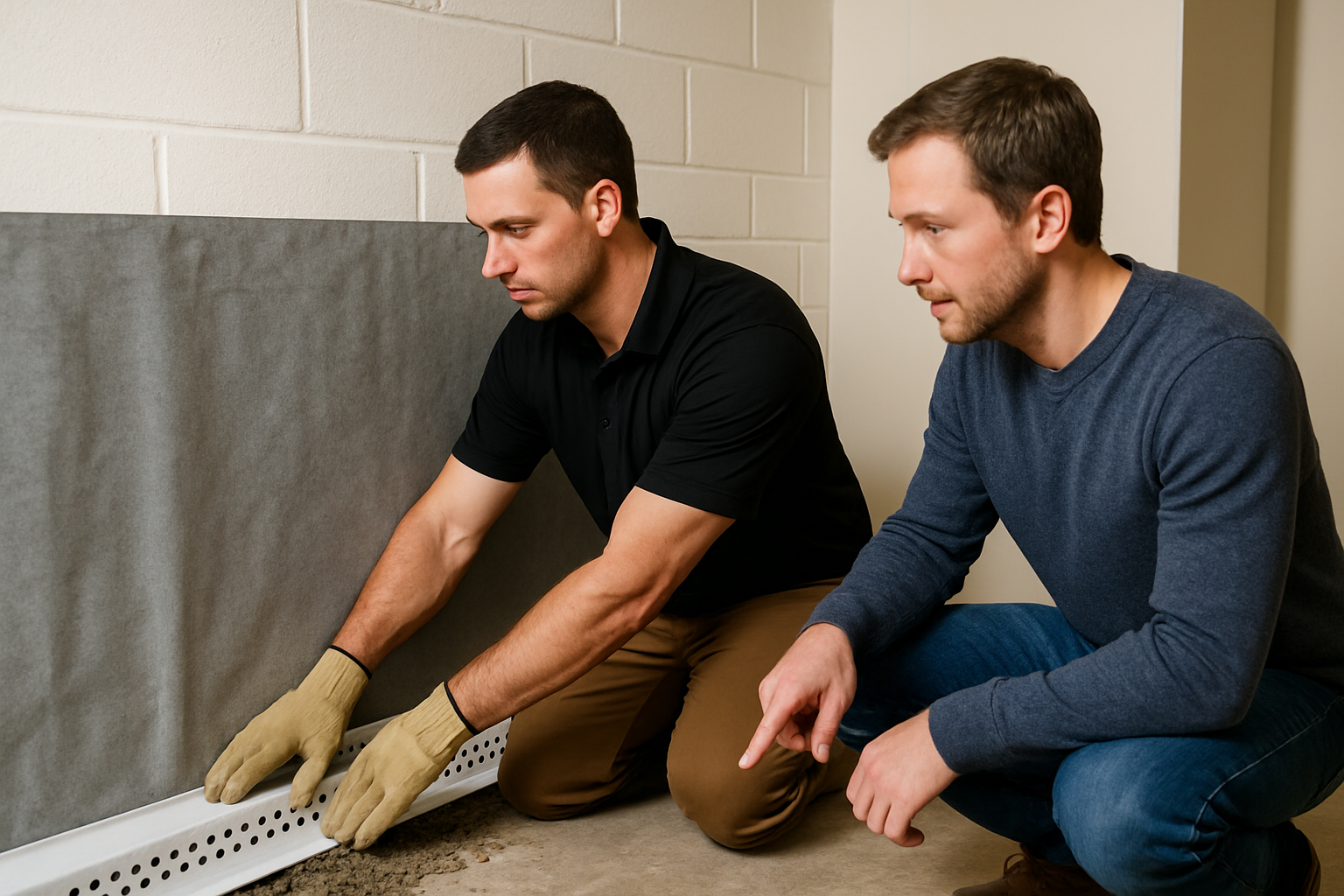
Once you have assessed the humidity levels, inspect your basement for any cracks or gaps in the walls or foundation. Sealing these openings with a waterproof sealant is vital to prevent outside moisture from entering. This step not only helps reduce humidity but also protects your basement from water damage. Be thorough in your inspection to ensure all potential entry points are addressed.
Improve Ventilation
Proper ventilation is crucial for controlling humidity levels in your basement. Install vents or exhaust fans to promote airflow, especially in areas where moisture tends to accumulate. Consider using a dehumidifier to assist in removing excess moisture from the air. This step helps maintain a balanced humidity level and reduces the likelihood of mold growth.
Install a Dehumidifier
Installing a dehumidifier is one of the most effective ways to control humidity in your basement. Choose a model that fits your basement size and is energy-efficient. Set the dehumidifier to maintain humidity levels in the ideal range. Regular maintenance of the unit, such as cleaning the filter and emptying the water reservoir, is essential for its optimal performance.
Monitor Humidity Regularly
After implementing humidity control measures, it’s vital to monitor humidity levels regularly. Use a hygrometer to check the levels every few weeks, especially during changes in weather. If you notice fluctuations, reassess your humidity control strategies to ensure they remain effective. Keeping a consistent check helps in maintaining a healthy basement environment.
Conduct Routine Inspections
Regular inspections of your basement are key to maintaining humidity control. Look for signs of moisture, mold, or water damage. This proactive approach allows you to address potential issues before they escalate. Schedule these inspections seasonally to ensure your basement remains a safe and dry space. If issues arise, consider consulting Pure Maintenance Down Under for professional assistance.
What to Expect & When
We believe in full transparency. Here's a realistic timeline so you can plan accordingly.
Assessment Phase
1 weekDuring the assessment phase, a thorough evaluation of current humidity levels and potential moisture sources is conducted. This includes inspecting for cracks, gaps, and overall ventilation.
Implementation Phase
1-2 weeksThe implementation phase involves sealing cracks, improving ventilation, and installing dehumidifiers. This phase requires focused effort to ensure all humidity control measures are put in place.
Monitoring Phase
OngoingAfter installation, the monitoring phase begins. Homeowners should regularly check humidity levels and conduct routine inspections to ensure the effectiveness of implemented strategies.
Maintenance Phase
OngoingThe maintenance phase involves the continuous upkeep of dehumidifiers and ventilation systems. Regular checks and maintenance ensure long-term humidity control.
How to Prepare
- Clear out your basement of any belongings to allow for a thorough inspection and treatment.
- Have a hygrometer ready to measure humidity levels before and after implementing control measures.
- Make sure to choose a dehumidifier that is suitable for the size of your basement.
- Consider installing additional vents if your basement lacks proper airflow.
- Keep an eye on the weather to anticipate changes in humidity levels during different seasons.
Common Questions
Everything you need to know before we arrive.
How can I tell if my basement has high humidity levels?
What is the best humidity level for my basement?
Can I control basement humidity without a dehumidifier?
How often should I check humidity levels in my basement?
What should I do if I find mold in my basement?
Still have questions? We're happy to help.
Call (503) 664-7207Understanding the Importance of Basement Humidity Control
Controlling humidity in your basement is not just about comfort; it plays a crucial role in protecting your entire home. High humidity levels can lead to the growth of mold and mildew, which pose health risks to your family and can damage the structural integrity of your home. Moist environments are breeding grounds for pests, which can lead to further complications. In Portland, Oregon, where rainfall can be frequent, effective basement humidity control becomes even more critical. By managing humidity, you can maintain a healthier home environment, preserve your belongings, and avoid costly repairs down the line. Pure Maintenance Down Under specializes in providing solutions tailored to the unique needs of Portland homeowners, ensuring that your basement remains dry and safe year-round. Moreover, controlling humidity can also improve the efficiency of your HVAC system. When humidity levels are high, your air conditioning system has to work harder to maintain a comfortable temperature, leading to increased energy costs. By keeping humidity levels in check, you can potentially reduce your energy bills while enhancing the overall comfort of your living space. With the right strategies in place, such as those provided by Pure Maintenance Down Under, you can enjoy a more comfortable and energy-efficient home.
Choosing the Right Humidity Control Solutions
Choosing the right humidity control solution for your basement depends on several factors, including the size of your space, the sources of moisture, and your budget. Dehumidifiers are one of the most effective tools for managing humidity levels; however, not all models are created equal. It’s important to select a dehumidifier that is appropriately sized for your basement to ensure optimal performance. Look for energy-efficient options that can handle the humidity levels in your area. In addition to dehumidifiers, consider integrating a comprehensive ventilation system that allows for adequate airflow. This can include exhaust fans or vents that facilitate the movement of air, helping to reduce moisture accumulation. Sealing cracks and ensuring that your basement is waterproofed are also essential components of a long-term humidity control strategy. Pure Maintenance Down Under offers expert advice and services tailored to the specific needs of Portland homeowners, ensuring that your basement is equipped with effective solutions for humidity control. By investing in the right systems, you can create a healthy and safe environment in your basement.
Ready to Get Started with Pure Maintenance Down Under?
Our licensed technicians serve Portland and surrounding communities. Free estimates — no obligation.