Crawl Space Drainage Solutions Troubleshooting Guide — Pure Maintenance Down Under
Crawl space drainage issues can lead to significant problems in your Portland, Oregon home if not addressed promptly. At Pure Maintenance Down Under, we understand the unique climate challenges that homeowners face in the Pacific Northwest, where moisture can accumulate in crawl spaces, causing structural damage and creating a haven for mold and pests. This troubleshooting guide aims to help you identify common crawl space drainage problems and provide actionable solutions to mitigate them. Proper drainage in your crawl space is essential for maintaining a healthy home environment. If you've noticed signs of water accumulation or musty odors, it’s crucial to act quickly. The following guide outlines common symptoms, causes, and potential DIY fixes to help you determine if your crawl space drainage solutions need professional intervention from Pure Maintenance Down Under. Our experienced team is here to ensure that your crawl space remains dry and functional, safeguarding your home’s integrity and your family's health.
Identify the Problem
Match your symptoms to the most likely cause. Severity ratings help you decide how urgently to act.
Step-by-Step Action Plan
Follow these steps before calling a technician — you may be able to resolve the issue yourself.
Inspect the Crawl Space
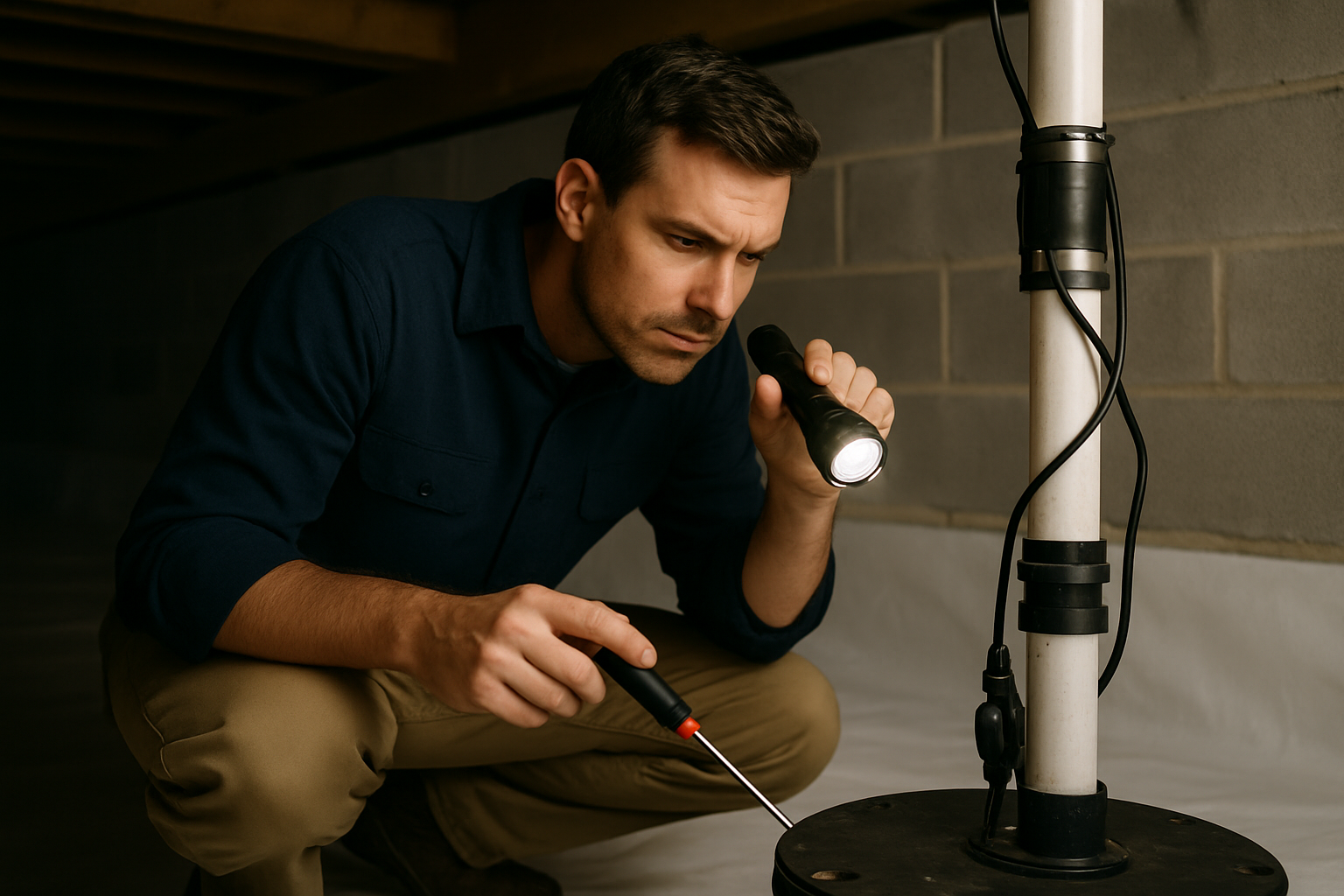
Begin by visually assessing your crawl space for standing water, moisture, and signs of mold or pests. Take note of any unusual odors.
Check Drainage Systems
Examine gutters, downspouts, and any installed drainage systems. Ensure they are free of debris and directing water away from the foundation.
Evaluate Grading Around the Home
Confirm that the ground around your home slopes away from the foundation. If not, consider regrading to improve drainage.
Assess Ventilation
Verify that crawl space vents are not blocked and allow for proper airflow. Consider installing additional vents if necessary.
Monitor Humidity Levels
Use a hygrometer to check humidity levels in the crawl space. Ideally, levels should be between 30-50%. If higher, consider installing a dehumidifier.
Don't DIY These Situations
Some repairs require a licensed technician for safety, code compliance, and warranty protection.
Persistent standing water that does not drain after rainfall, indicating a potential drainage system failure.
Visible mold growth that covers a significant area, requiring specialized remediation techniques.
Severe pest infestations that could indicate deeper moisture issues needing professional pest control.
Cracks in the foundation that are expanding, suggesting structural issues that need immediate expert assessment.
Complex drainage installations that require knowledge of local building codes and standards for proper implementation.
What are the signs of a drainage problem in my crawl space?
How can I improve drainage in my crawl space?
Is a crawl space drainage system necessary?
How often should I inspect my crawl space drainage system?
We Can Fix It For You
Our licensed team serves Portland, Oregon and surrounding areas — same-day service available.
Problem Solved — Or Need a Pro?
Our licensed team serves Portland, Oregon and surrounding areas. Get a free diagnosis — no obligation.