Mouse Entry Point Sealing Crawl Space How-To Guide — Pure Maintenance Down Under
Inspection of Crawl Space
Gathering Materials
Cleaning the Area
Sealing Small Holes
Using Expanding Foam
Installing Mesh Screens
How It Works
Mouse entry point sealing in your crawl space is a crucial step in maintaining a pest-free home in Portland, Oregon. Mice can squeeze through incredibly small openings, making it essential to identify and seal these entry points effectively. Pure Maintenance Down Under is here to guide you through the process of sealing your crawl space to prevent unwanted rodent intrusions. Not only does sealing these entry points protect your home from infestations, but it also helps maintain the integrity of your crawl space environment, preventing moisture issues and potential damage to your home’s foundation. In this how-to guide, we will walk you through the essential steps involved in sealing mouse entry points in your crawl space. Whether you are a seasoned DIY enthusiast or a first-time homeowner, understanding this process is vital for safeguarding your home. With our expert advice, you can confidently tackle this project and ensure your home remains safe and secure from mice and other pests. Let’s get started on making your crawl space a no-entry zone for rodents with the help of Pure Maintenance Down Under.
Inspection of Crawl Space
Begin by conducting a thorough inspection of your crawl space to identify potential entry points. Look for cracks in the foundation, gaps around pipes, and any openings in vents. It's crucial to be vigilant, as mice can enter through holes as small as a quarter. Keep a notebook handy to jot down all the areas that need attention, ensuring you don't miss any vulnerabilities during the sealing process.
Gathering Materials
Once you have identified the entry points, gather the necessary materials for sealing them. This may include steel wool, caulk, expanding foam, and mesh screens. Each material serves a specific purpose: steel wool can block small holes, while caulk and foam are ideal for larger gaps. Having these materials ready will streamline the sealing process and prevent delays.
Cleaning the Area
Before sealing, it’s essential to clean the area around the entry points. Remove any debris, old insulation, or nesting materials to ensure a clean surface for the sealant. This step is vital because any leftover materials may attract more pests. Use a vacuum or broom to ensure the area is free from dirt and potential food sources for mice.
Sealing Small Holes
Using steel wool, fill in any small holes or cracks you found during your inspection. Press the steel wool tightly into the hole to ensure a snug fit, as mice will chew through softer materials. Follow this by applying a layer of caulk around the edges to secure the steel wool and create a waterproof barrier. This step is crucial for preventing moisture and pest intrusion.
Using Expanding Foam
For larger gaps, apply expanding foam sealant. This product expands to fill the void and create an airtight seal. Carefully follow the manufacturer's instructions to ensure effective application. Be cautious not to overfill, as the foam will expand significantly. This method is particularly effective for sealing around pipes and ductwork where mice may enter your crawl space.
Installing Mesh Screens
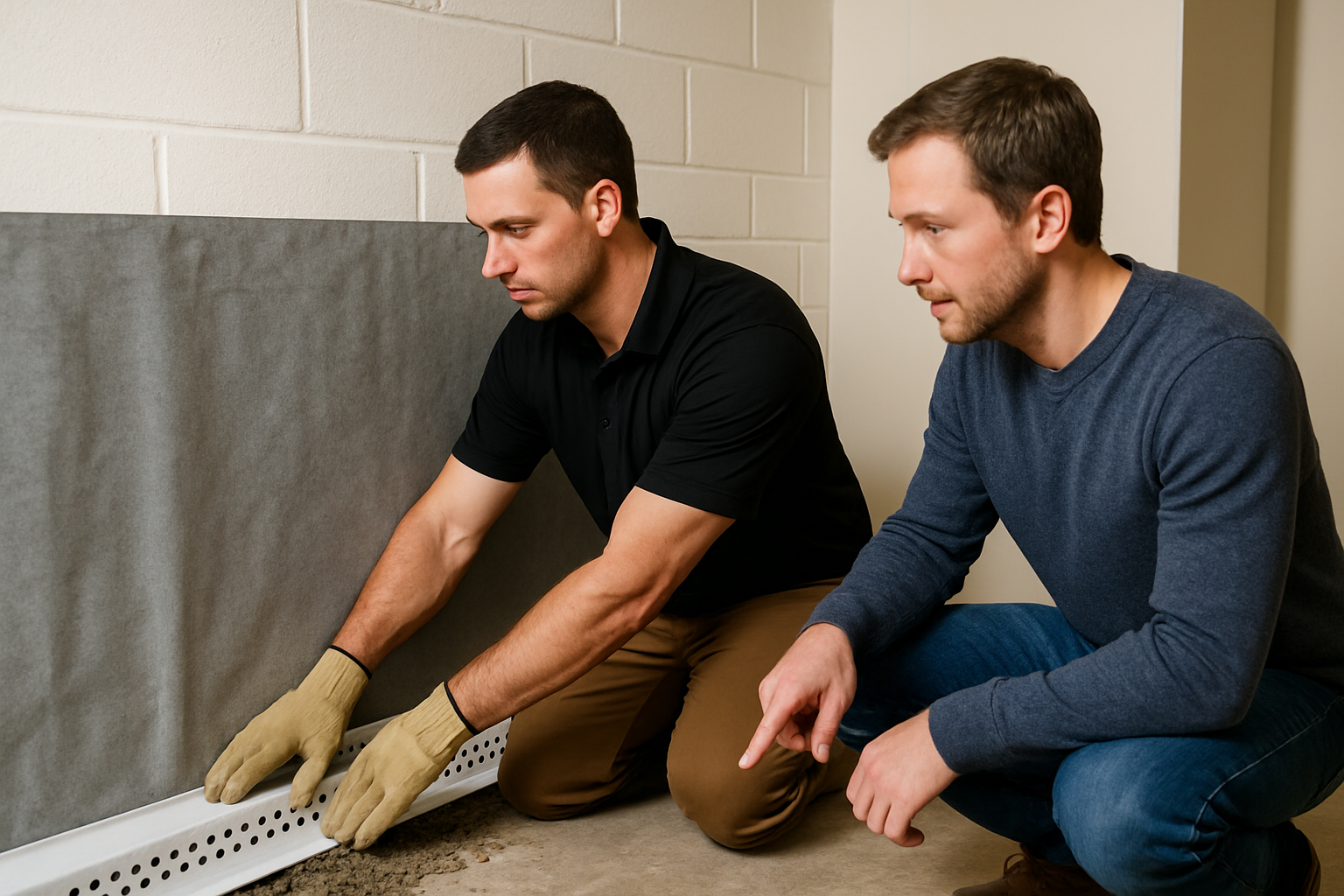
For vent openings, consider installing mesh screens. These screens will prevent mice from entering while allowing proper ventilation in your crawl space. Ensure the screens are secured tightly to withstand any weather conditions. This step works in conjunction with the previous sealing methods to provide an extra layer of protection against rodent entry.
Final Inspection
After all entry points have been sealed, conduct a final inspection of your crawl space. Check to ensure that all materials have been applied correctly and that no gaps are left unsealed. This step will help you confirm that your crawl space is now fortified against mouse entry, ensuring your home in Portland, Oregon, remains pest-free.
Regular Maintenance
Finally, establish a routine for inspecting your crawl space. Regular maintenance checks can help you catch new entry points before they become a problem. Look for signs of wear in the materials you've used and replace them as necessary. This proactive approach will keep your home secure from mouse infestations over the long term.
What to Expect & When
We believe in full transparency. Here's a realistic timeline so you can plan accordingly.
Initial Inspection
1 dayConducting a detailed inspection of your crawl space to identify all potential entry points and vulnerabilities.
Sealing Process
1-2 daysSealing all identified entry points using the appropriate materials and techniques outlined in this guide.
Final Review
1 dayPerforming a thorough final review of the crawl space to ensure all points are sealed and secure against rodent entry.
Ongoing Maintenance
OngoingRegular checks and maintenance to ensure that the crawl space remains secure and free from rodent threats.
How to Prepare
- Clear the area around the crawl space entrance to ensure easy access during the sealing process.
- Wear protective gloves and a mask to avoid inhaling dust or allergens while working in the crawl space.
- Have all your tools and materials ready before starting the sealing process to maintain efficiency.
- Consider enlisting a friend or family member to assist you, as some steps may require an extra pair of hands.
- Plan your work during daylight hours when visibility is best, making the inspection and sealing process easier.
Common Questions
Everything you need to know before we arrive.
How do I know if I have mouse entry points in my crawl space?
What materials are best for sealing mouse entry points?
Can I seal my crawl space myself, or should I hire a professional?
How often should I check my crawl space for mouse entry points?
What should I do if I find mice in my crawl space?
Still have questions? We're happy to help.
Call (503) 664-7207The Importance of Sealing Mouse Entry Points
Sealing mouse entry points in your crawl space is not just about keeping your home free from rodents; it also plays a significant role in maintaining the overall health of your home environment. Mice can carry various diseases that pose health risks to you and your family. By preventing their entry, you reduce the chances of contamination and ensure a safer living space. Furthermore, an unsealed crawl space can lead to moisture problems, which can cause mold growth, wood rot, and structural damage over time. Pure Maintenance Down Under emphasizes the importance of addressing these issues proactively to protect your Portland, Oregon home. Moreover, sealing mouse entry points can lead to energy efficiency improvements. Gaps in your crawl space can allow drafts, which can increase heating and cooling costs. By sealing these gaps, you not only prevent mouse entry but also create a more energy-efficient home, saving you money on utility bills in the long run. Working with Pure Maintenance Down Under means investing in your home’s safety and efficiency, ensuring a comprehensive approach to home maintenance.
Common Mistakes to Avoid When Sealing Entry Points
When sealing mouse entry points, homeowners often make common mistakes that can undermine their efforts. One frequent error is not addressing all potential entry points. Mice are adept at squeezing through tiny gaps, so it’s essential to conduct a thorough inspection and seal every vulnerability. Overlooking even a small hole can lead to future infestations. Another mistake is using ineffective materials. Some homeowners may opt for softer fillers that mice can easily chew through, such as foam insulation. Instead, Pure Maintenance Down Under recommends using steel wool combined with durable sealants for a more effective barrier. Additionally, failing to clean the area before sealing can affect the adhesion and longevity of your chosen materials. Ensure you remove all debris and potential nesting materials before sealing. Lastly, some homeowners may not consider the importance of ventilation. While sealing entry points is crucial, ensuring your crawl space remains ventilated is equally important to prevent moisture buildup. Avoiding these mistakes will enhance the effectiveness of your mouse entry point sealing efforts, creating a safer home environment.
Ready to Get Started with Pure Maintenance Down Under?
Our licensed technicians serve Portland and surrounding communities. Free estimates — no obligation.