Rat Entry Point Sealing Crawl Space How-To Guide — Pure Maintenance Down Under
Inspection of Crawl Space
Clean the Area
Choose Sealing Materials
Seal Entry Points
Install a Barrier
Final Inspection
How It Works
If you're a homeowner in Portland, Oregon, and have noticed signs of rats in your crawl space, it's crucial to act quickly to seal entry points and prevent further infestations. Rats can not only cause extensive damage to your property but also pose health risks to your family. Pure Maintenance Down Under specializes in rat entry point sealing for crawl spaces, ensuring that your home remains safe and secure. In this guide, we'll walk you through the steps necessary to effectively seal entry points and protect your crawl space from unwanted rodent visitors. Understanding the importance of sealing rat entry points is the first step in maintaining a safe home environment. Not only do rats chew through insulation and wiring, but they also leave droppings that can contaminate your space. At Pure Maintenance Down Under, we utilize proven methods and high-quality materials to ensure that your crawl space is protected against these pests. In the following sections, we detail the process of sealing entry points, providing you with a comprehensive how-to guide to tackle this issue effectively.
Inspection of Crawl Space
Begin with a thorough inspection of your crawl space to identify potential entry points. Look for holes, gaps, or cracks in the walls, foundation, or around pipes and vents. Document all findings, as this will guide your sealing efforts. It's important to pay attention to areas where utilities enter your home, as these are common entry points for rodents.
Clean the Area
Before sealing any entry points, clean the crawl space to remove any debris or droppings. This step is crucial for preventing health hazards and ensuring that the sealing products adhere properly. Use gloves and a mask for protection, and dispose of any contaminated materials safely. A clean workspace will help in effectively sealing the identified entry points.
Choose Sealing Materials
Select the appropriate materials for sealing the identified entry points. Common options include steel wool, caulking, and metal mesh. Steel wool is effective for small holes, while caulking is ideal for sealing gaps around pipes and vents. Ensure that the materials are durable and suitable for outdoor conditions to prevent future breaches.
Seal Entry Points
Using the chosen materials, start sealing the entry points. For small holes, stuff steel wool into the gaps, ensuring it is packed tightly. For larger gaps, apply caulking or install metal mesh. Make sure to cover all identified entry points thoroughly to create a barrier that rats cannot penetrate.
Install a Barrier
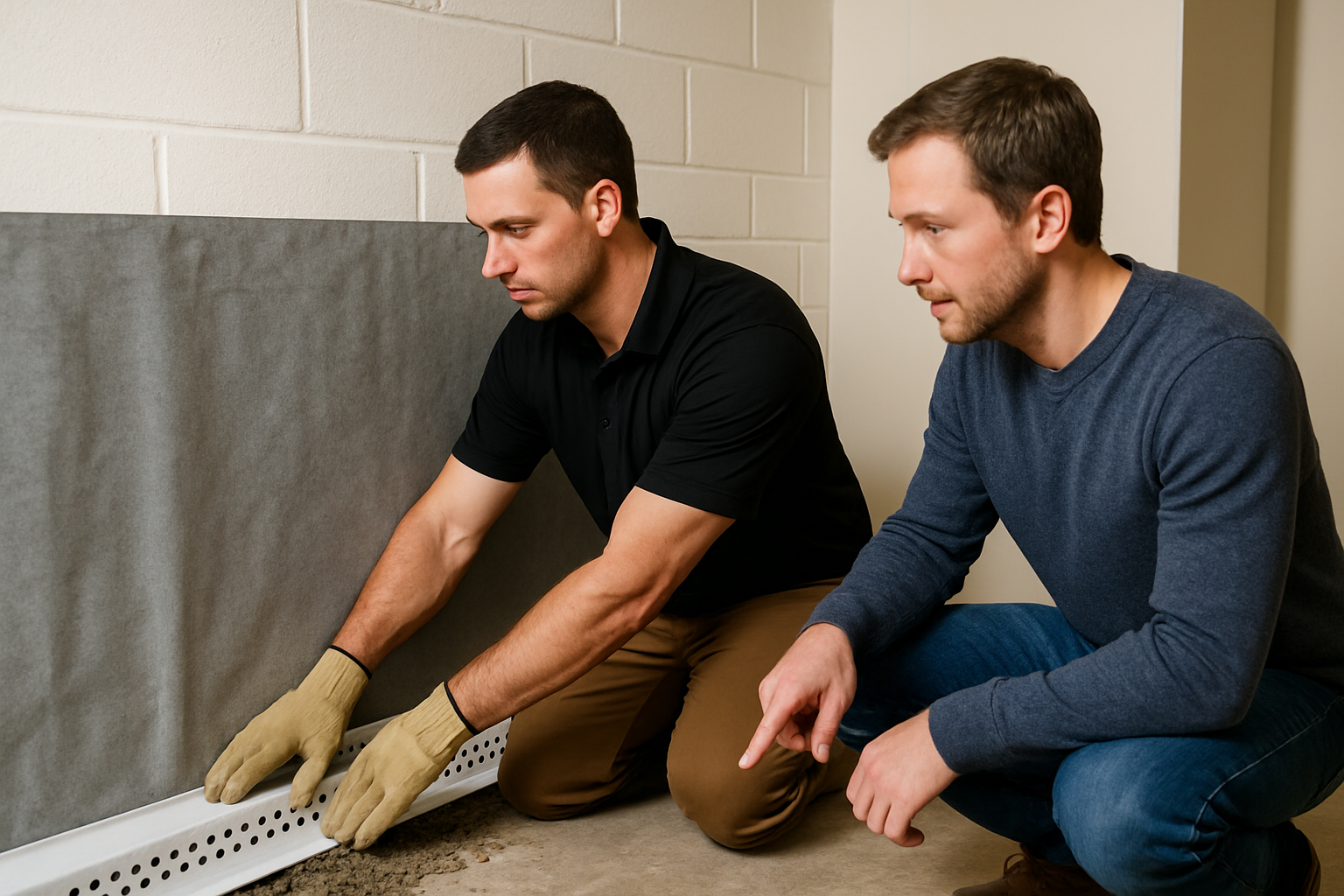
Consider installing a physical barrier, such as a mesh screen or a solid cover, over vents and larger openings. This additional layer of protection can significantly reduce the chances of future rodent entry. Ensure that the barrier is securely fastened and can withstand outdoor elements.
Final Inspection
Once all entry points have been sealed, conduct a final inspection of the crawl space to ensure that no gaps remain. Check the integrity of your seals and barriers. This step is vital for confirming that your home is now protected against rat entry.
Monitor the Area
After sealing, monitor the crawl space for any signs of new rodent activity. This includes checking for droppings, gnaw marks, or nesting materials. If you notice any signs of rats, it may be necessary to re-evaluate your sealing efforts or consult with Pure Maintenance Down Under for further assistance.
What to Expect & When
We believe in full transparency. Here's a realistic timeline so you can plan accordingly.
Initial Inspection
1-2 daysConduct a thorough inspection of the crawl space to identify all potential entry points and assess the extent of any infestation.
Cleaning and Preparation
1-3 daysClean the crawl space area thoroughly to ensure a safe and effective sealing process.
Sealing Process
1-2 daysSeal all identified entry points using appropriate materials, and install barriers where necessary.
Monitoring
OngoingMonitor the crawl space regularly for signs of new rodent activity, ensuring long-term protection.
How to Prepare
- Remove any clutter from the crawl space to allow for easier access and inspection.
- Ensure proper ventilation in the area to help reduce moisture levels, which can attract rodents.
- Keep food and trash sealed and stored away from entry points to minimize attractants for rats.
- Consider consulting with Pure Maintenance Down Under for a professional assessment before beginning the sealing process.
Common Questions
Everything you need to know before we arrive.
How do I know if I have a rat problem in my crawl space?
What materials are best for sealing rat entry points?
How long does sealing entry points take?
Can I seal entry points myself?
What should I do if I still see signs of rats after sealing?
Still have questions? We're happy to help.
Call (503) 664-7207Understanding Rat Behavior and Entry Points
Rats are agile creatures that can squeeze through openings as small as a quarter. In Portland, Oregon, common entry points include gaps around plumbing, vents, and even cracks in the foundation. Understanding rat behavior is essential in preventing infestations; they are attracted to food sources, warmth, and shelter. By sealing entry points and eliminating attractants, homeowners can significantly reduce the risk of rats entering their crawl spaces. Regular inspections and maintenance are critical to keeping your home safe from these pests. Pure Maintenance Down Under offers expert advice and services to ensure your crawl space remains rat-free.
The Importance of Professional Assistance
While sealing rat entry points can be a DIY project, enlisting the help of professionals like Pure Maintenance Down Under ensures a thorough and effective job. Professionals have the expertise to identify all potential entry points and use the best sealing materials and techniques. Additionally, they can provide guidance on preventing future infestations and maintaining a healthy crawl space environment. With the right help, homeowners in Portland, Oregon, can rest easy knowing their homes are protected from rodent invasions.
Ready to Get Started with Pure Maintenance Down Under?
Our licensed technicians serve Portland and surrounding communities. Free estimates — no obligation.