Crawl Space Inspection Services Troubleshooting Guide — Pure Maintenance Down Under
Crawl spaces are often overlooked when it comes to home maintenance, yet they play a crucial role in the overall integrity of your home. At Pure Maintenance Down Under, we understand that a well-maintained crawl space can prevent a myriad of issues, including mold growth, structural damage, and pest infestations. Our Crawl Space Inspection Services in Portland, Oregon, are designed to help homeowners identify and address potential problems before they escalate, ensuring your home remains safe and dry. In this troubleshooting guide, we will explore common symptoms of crawl space issues, potential causes, and practical steps you can take to diagnose and remedy these problems. Whether you’re noticing musty odors or experiencing increased humidity in your home, this guide aims to empower you with the knowledge to maintain a healthy crawl space. With Pure Maintenance Down Under's expertise, you can have peace of mind knowing that your home is protected from the hidden dangers lurking beneath.
Identify the Problem
Match your symptoms to the most likely cause. Severity ratings help you decide how urgently to act.
Step-by-Step Action Plan
Follow these steps before calling a technician — you may be able to resolve the issue yourself.
Conduct a Visual Inspection
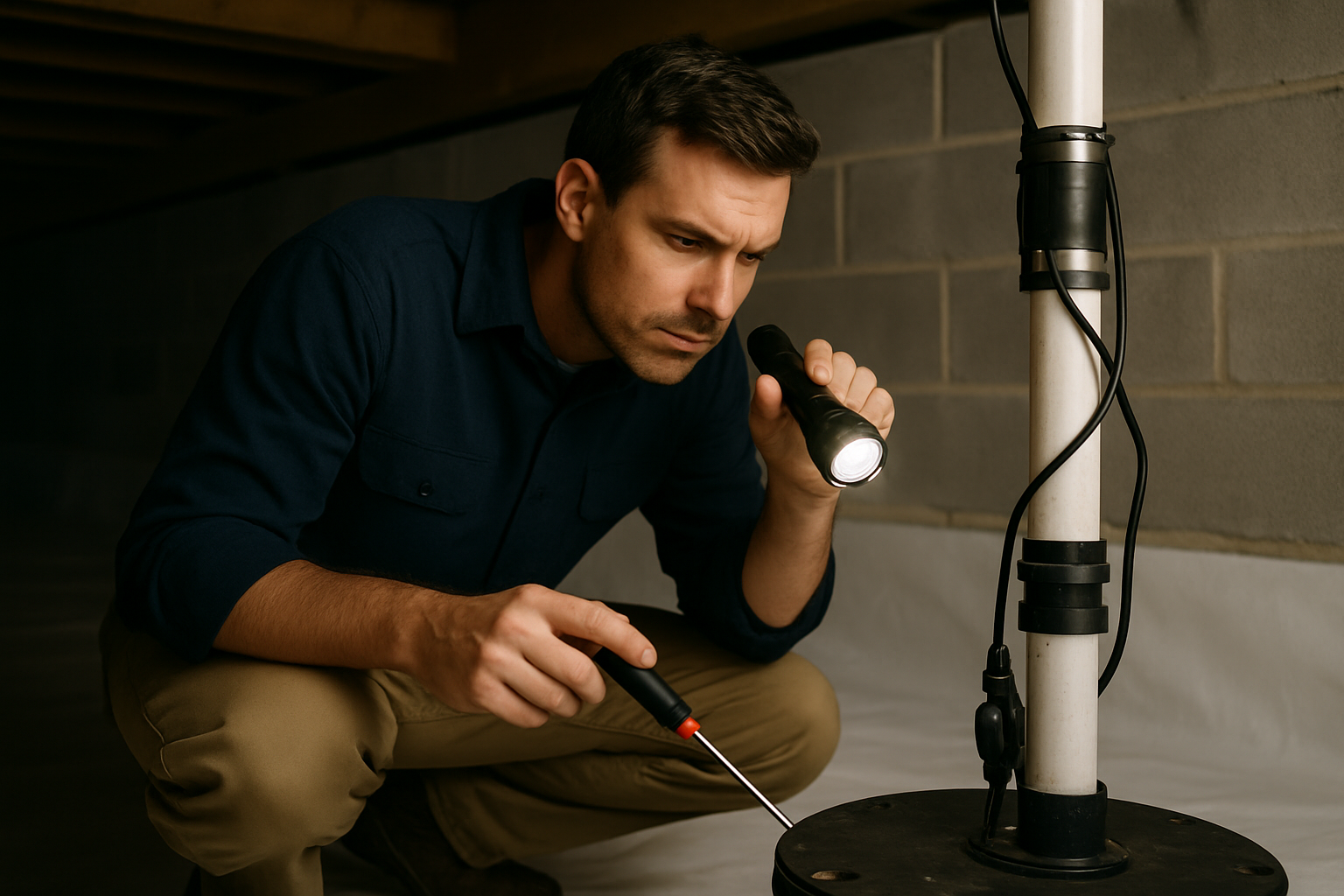
Begin by visually inspecting your crawl space for any signs of mold, water damage, or pests. Look for standing water, damp spots, and any structural issues.
Check for Odors
Take note of any musty odors that may indicate mold growth or moisture issues. Pay attention to areas with little ventilation.
Monitor Humidity Levels
Use a hygrometer to measure humidity levels in your crawl space. Ideally, humidity should be below 60% to prevent mold growth.
Inspect Insulation
Check the insulation in your crawl space for any signs of dampness or mold. Replace any contaminated insulation to prevent further issues.
Assess Ventilation
Ensure that your crawl space has adequate ventilation. If vents are blocked or insufficient, consider adding more to improve air circulation.
Evaluate Drainage Systems
Inspect gutters, downspouts, and drainage systems to ensure proper water diversion away from your home’s foundation.
Don't DIY These Situations
Some repairs require a licensed technician for safety, code compliance, and warranty protection.
You discover extensive mold growth that requires specialized removal.
There is significant standing water requiring professional water extraction.
Structural damage is observed that could compromise your home's integrity.
Pest infestations are severe and need professional extermination services.
You are unsure about the cause of persistent humidity issues despite DIY efforts.
How often should I have my crawl space inspected?
What signs indicate that I need a crawl space inspection?
Can I perform a crawl space inspection myself?
What happens if mold is found during the inspection?
We Can Fix It For You
Our licensed team serves Portland, Oregon and surrounding areas — same-day service available.
Problem Solved — Or Need a Pro?
Our licensed team serves Portland, Oregon and surrounding areas. Get a free diagnosis — no obligation.