Crawl Space Waterproofing Troubleshooting Guide — Pure Maintenance Down Under
Crawl space waterproofing is a critical aspect of maintaining the integrity of your home in Portland, Oregon. A well-sealed crawl space not only prevents moisture buildup but also shields your home from mold, mildew, and structural damage. Unfortunately, homeowners may encounter several issues that can compromise their crawl space waterproofing. Understanding these problems is essential for effective maintenance and remediation. This troubleshooting guide from Pure Maintenance Down Under is designed to help homeowners identify symptoms of crawl space waterproofing issues while providing actionable steps to address them effectively. At Pure Maintenance Down Under, we understand that a dry crawl space is integral to a healthy home environment. Many homeowners may not realize the importance of regular crawl space maintenance until they notice visible symptoms, such as water intrusion or mold growth. Our guide will help you pinpoint common issues, their potential causes, and the best ways to address them, ensuring your crawl space remains dry and your home stays protected. Whether you're experiencing minor leaks or significant moisture issues, knowing when to call a professional can save you time and money in the long run.
Identify the Problem
Match your symptoms to the most likely cause. Severity ratings help you decide how urgently to act.
Step-by-Step Action Plan
Follow these steps before calling a technician — you may be able to resolve the issue yourself.
Inspect the Crawl Space
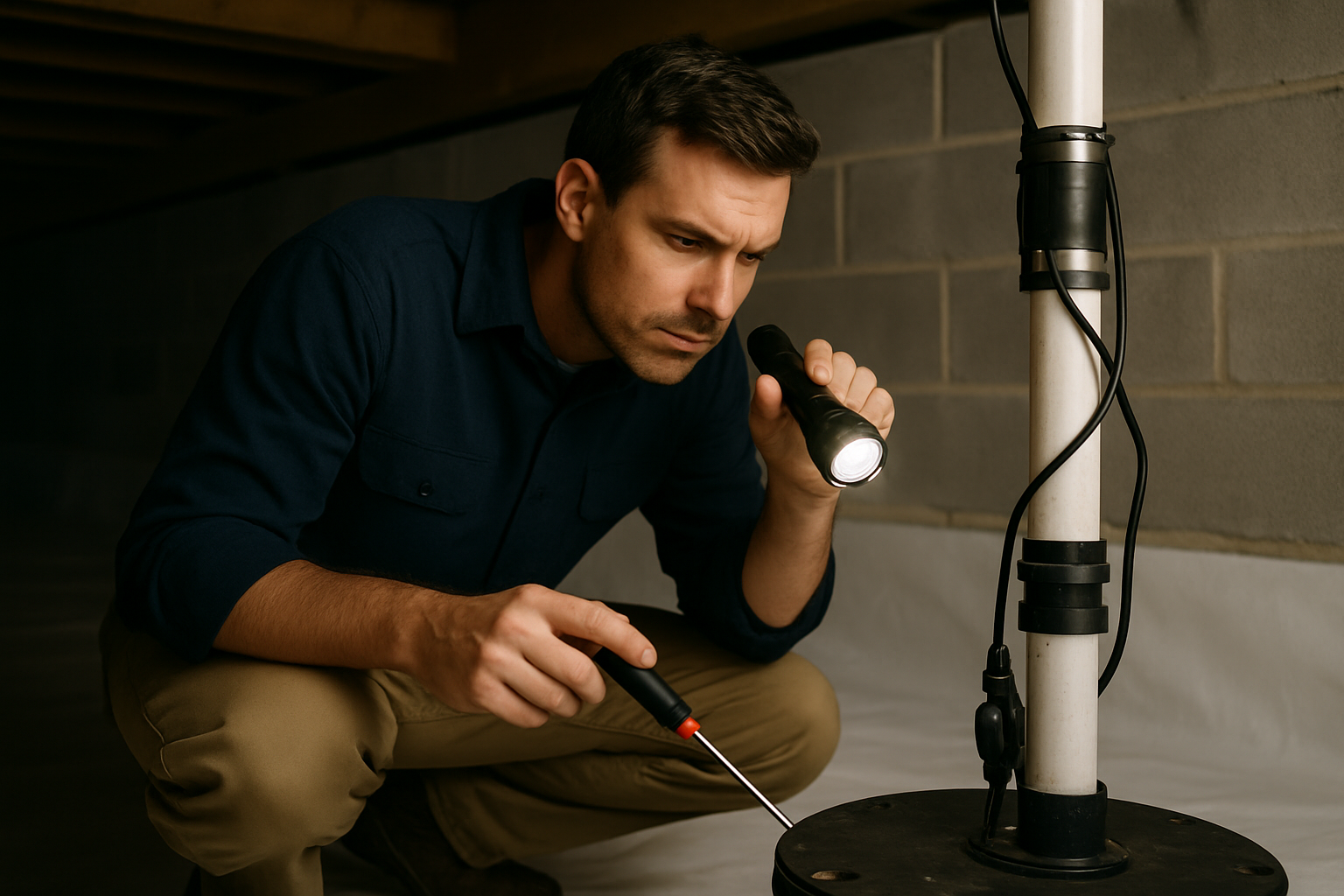
Begin by inspecting your crawl space for visible signs of moisture, mold, or water pooling. Look closely at the walls and flooring for damp spots.
Check Gutters and Downspouts
Ensure that gutters are clear of debris and that downspouts direct water away from the foundation. This will help prevent water from pooling around your home.
Assess Ventilation
Evaluate the ventilation in your crawl space. If it feels humid or musty, consider adding vents or a dehumidifier to reduce moisture levels.
Install a Vapor Barrier
If you have consistent moisture issues, installing a vapor barrier can prevent moisture from the ground from entering your crawl space.
Monitor for Pests
Regularly check for signs of pest infestations. If you notice any, take immediate action to seal entry points and eliminate moisture sources.
Don't DIY These Situations
Some repairs require a licensed technician for safety, code compliance, and warranty protection.
If water pooling is severe and requires extensive drainage solutions.
When mold growth is extensive and poses health risks.
If structural damage to the foundation is evident.
When persistent humidity levels do not improve with DIY fixes.
If you need a comprehensive inspection and remediation plan.
How often should I inspect my crawl space for moisture?
What are the signs of mold in my crawl space?
Can I install a vapor barrier myself?
What is the average cost of crawl space waterproofing in Portland?
We Can Fix It For You
Our licensed team serves Portland, Oregon and surrounding areas — same-day service available.
Problem Solved — Or Need a Pro?
Our licensed team serves Portland, Oregon and surrounding areas. Get a free diagnosis — no obligation.