
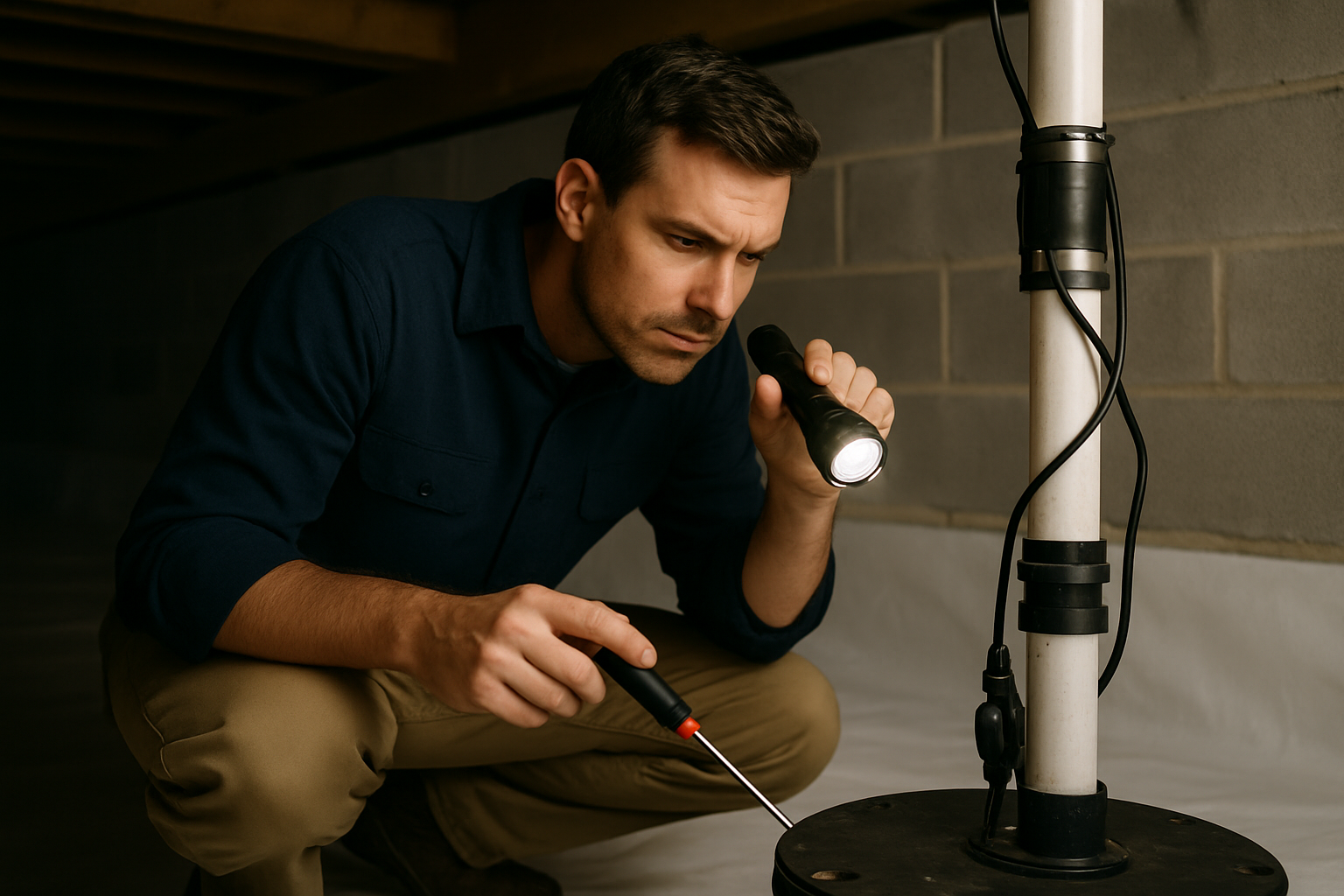
Mouse Droppings In Crawl Space — Pure Maintenance Down Under
Troubleshooting Guide

Mouse Droppings In Crawl Space Troubleshooting Guide — Pure Maintenance Down Under

Discovering mouse droppings in your crawl space can be a distressing experience for homeowners in Portland, Oregon. Not only do these droppings indicate a potential rodent infestation, but they can also pose serious health risks to your family. At Pure Maintenance Down Under, we understand the complexities of dealing with these issues, and we’re here to help you navigate the process of troubleshooting and resolving the problem effectively. In this guide, we will provide you with essential information about identifying the signs of a mouse infestation, potential causes of droppings in your crawl space, and actionable steps you can take to address the situation. Whether you are a seasoned DIYer or someone new to home maintenance, it’s crucial to understand the implications of mouse droppings, including the potential for property damage and health hazards. With our expertise at Pure Maintenance Down Under, we aim to empower you with the knowledge you need to tackle this problem head-on.

By Pure Maintenance Down Under
8 min read
Expert-reviewed
Having an Emergency?
Don't wait — call us now for 24/7 emergency service in Portland, Oregon.
(503) 664-7207
Symptoms & Causes

Identify the Problem

Match your symptoms to the most likely cause. Severity ratings help you decide how urgently to act.

Presence of mouse droppings in crawl space.high
Likely cause: Active rodent infestation, Nearby food sources, Access points into the crawl space
DIY check: Seal any visible entry points and clean the area with disinfectant.
Unpleasant odor in the crawl space.medium
Likely cause: Accumulation of droppings, Decomposing food sources, Urine stains
DIY check: Ventilate the area and consider using odor-neutralizing products.
Gnaw marks on wooden structures.high
Likely cause: Mice gnawing for food, Nest building, Searching for shelter
DIY check: Inspect for signs of nesting materials and reinforce weak areas.
Signs of nesting materials like shredded paper or insulation.medium
Likely cause: Nesting behavior of mice, Presence of food sources, Warmth in the crawl space
DIY check: Remove nesting materials and clean the area thoroughly.
Increased sightings of mice or droppings elsewhere in the home.high
Likely cause: Spreading infestation, Poor sanitation, Lack of barriers
DIY check: Set traps and ensure all food sources are securely stored.
Chewed electrical wires or insulation.high
Likely cause: Mice seeking nesting materials, Boredom, Desperation for food
DIY check: Inspect wiring for damage and consider using rodent-proof insulation.
What to Do Next

Step-by-Step Action Plan

Follow these steps before calling a technician — you may be able to resolve the issue yourself.

1

Identify the Problem

Look for droppings, gnaw marks, or signs of nesting. Take note of the severity and extent of the infestation.

2

Seal Entry Points

Inspect your home’s foundation and exterior for gaps or holes. Seal any identified entry points to prevent mice from entering.

3

Clean the Area

Use gloves and a mask to safely clean up droppings and nesting materials. Disinfect the area to eliminate health risks.

4

Set Traps

Place traps in strategic locations around the crawl space to catch any remaining mice. Avoid using poison as it can create additional hazards.

5

Monitor for Activity

After cleaning and sealing, monitor the crawl space for any signs of new droppings or mouse activity.

Pro Tip
Always turn off power to the unit at the breaker before inspecting any components. Safety first — even for simple checks.
When to Call a Professional

Don't DIY These Situations

Some repairs require a licensed technician for safety, code compliance, and warranty protection.

Professional Assessment Required

If the infestation is extensive and hard to control on your own.

Professional Assessment Required

When droppings are found in multiple areas of the home, indicating a widespread problem.

Professional Assessment Required

If there is significant damage to wiring or insulation that needs repair.

Professional Assessment Required

When health risks from droppings pose a danger to your family.

Professional Assessment Required

If you're unsure about safely cleaning and disinfecting the affected areas.

Common Questions
What does it mean if I find mouse droppings in my crawl space?
Finding mouse droppings in your crawl space indicates that there may be an active rodent infestation. Mice typically leave droppings as they move around searching for food and shelter. It’s essential to take this sign seriously, as it can lead to health risks and property damage if not addressed promptly.
How can I safely clean up mouse droppings?
To safely clean up mouse droppings, first, wear gloves and a mask to protect yourself from potential health hazards. Use a disinfectant spray to wet the droppings before removing them to minimize dust. Dispose of the droppings in a sealed bag and disinfect the area thoroughly afterward to kill any lingering pathogens.
What are the health risks associated with mouse droppings?
Mouse droppings can carry various diseases, including Hantavirus, which can be severe and even fatal. Additionally, they can spread Salmonella and other harmful bacteria. Exposure to dried droppings can also lead to respiratory issues. It's crucial to handle them with care and take preventive measures to avoid infestations.
How can I prevent mice from entering my crawl space?
To prevent mice from entering your crawl space, seal any gaps or cracks in your foundation and use steel wool or caulking to block potential entry points. Additionally, keep your yard tidy and free from debris, and consider installing rodent-proof barriers. Regular inspections can help catch any new vulnerabilities.
Related Services

We Can Fix It For You

Our licensed team serves Portland, Oregon and surrounding areas — same-day service available.

Problem Solved — Or Need a Pro?

Our licensed team serves Portland, Oregon and surrounding areas. Get a free diagnosis — no obligation.