Sump Pump Installation Troubleshooting Guide — Pure Maintenance Down Under
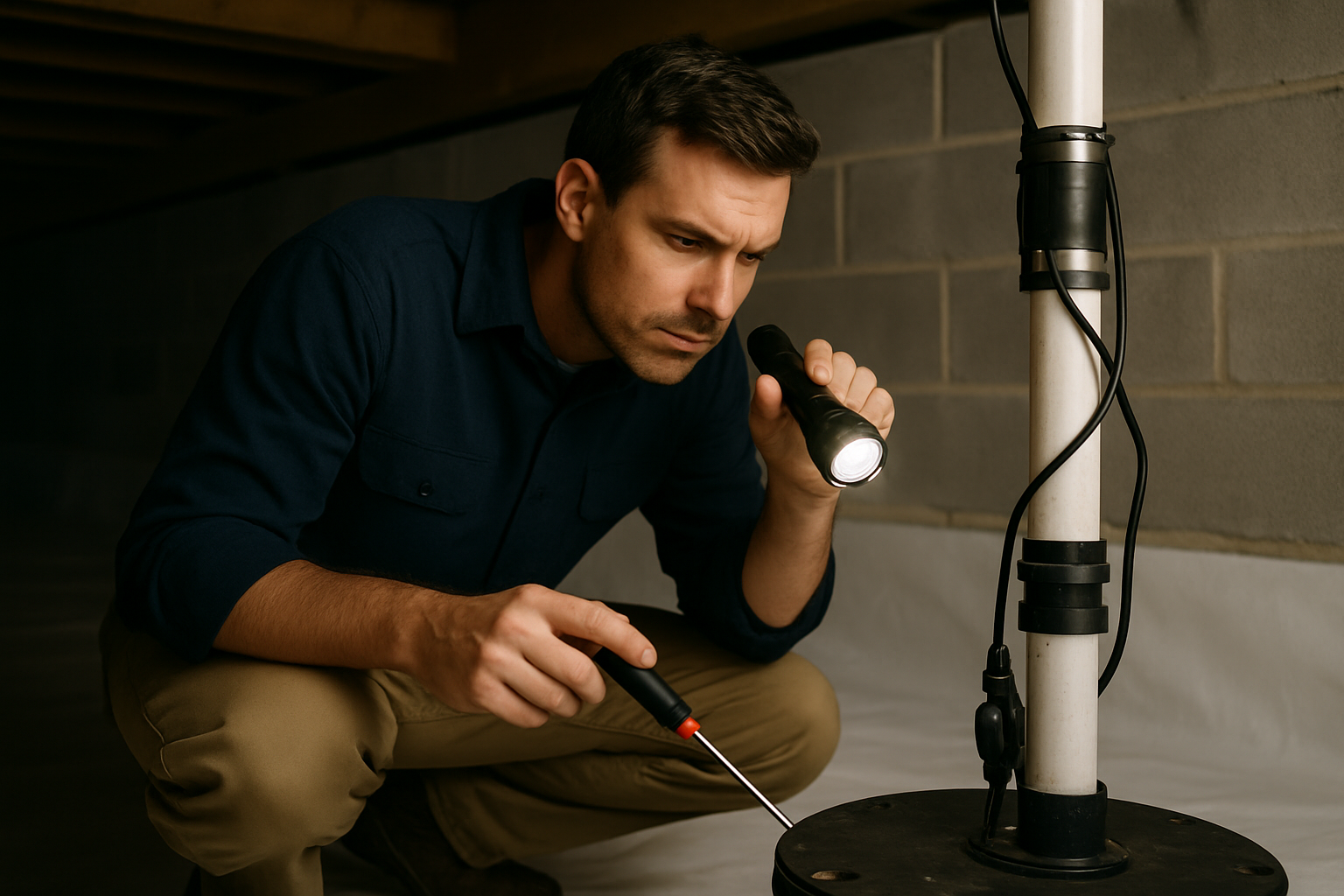
If you’ve recently installed a sump pump in your Portland, Oregon home, it's crucial to ensure it's functioning correctly to protect your basement from flooding. A sump pump acts as the first line of defense against water accumulation, especially in areas prone to heavy rainfall or high groundwater levels. However, even the best sump pumps can encounter issues that may compromise their performance. Pure Maintenance Down Under is dedicated to providing you with a comprehensive troubleshooting guide to help you identify and resolve common problems associated with sump pump installation. Understanding how your sump pump operates and recognizing signs of malfunction can save you from costly repairs and potential water damage. Whether it’s a strange noise, failure to activate, or continuous running, being proactive can help you maintain the integrity of your home. In this guide, we will explore common symptoms, possible causes, and practical steps you can take to troubleshoot your sump pump effectively. If you're in Portland and need expert assistance, remember that Pure Maintenance Down Under is just a phone call away at (503) 664-7207.
Identify the Problem
Match your symptoms to the most likely cause. Severity ratings help you decide how urgently to act.
Step-by-Step Action Plan
Follow these steps before calling a technician — you may be able to resolve the issue yourself.
Check Power Supply
Ensure that the sump pump is plugged in and that the outlet is functioning. Test with another device if necessary.
Inspect the Float Switch
Remove any obstructions around the float switch and ensure it moves freely up and down to activate the pump.
Examine the Discharge Line
Look for any clogs or bends in the discharge line that could prevent water from flowing out of the system.
Listen for Unusual Noises
Turn on the sump pump and listen carefully for any grinding, rattling, or excessive noise that may indicate a problem.
Check for Water Accumulation
After a rainfall, monitor the area around the sump pump to ensure it is effectively removing water.
Consult the Manual
Refer to the manufacturer's manual for troubleshooting advice specific to your sump pump model.
Don't DIY These Situations
Some repairs require a licensed technician for safety, code compliance, and warranty protection.
The sump pump fails to activate despite troubleshooting efforts.
There are electrical issues that could pose safety risks.
The pump emits strange noises or burning smells that require professional evaluation.
The installation appears incorrect, affecting the system’s performance and efficiency.
How often should I test my sump pump?
What should I do if my sump pump is running continuously?
Can I install a sump pump myself?
What are the signs of a failing sump pump?
We Can Fix It For You
Our licensed team serves Portland, Oregon and surrounding areas — same-day service available.
Problem Solved — Or Need a Pro?
Our licensed team serves Portland, Oregon and surrounding areas. Get a free diagnosis — no obligation.